Since COVID, hybrid working has become the norm, not the exception. The CIPD reports that 74% of organisations have some type of hybrid working in place this year. For employers, this shift means supporting employees wherever they are based, whether that is the office, at home, or in a shared working environment.
Rethinking the Office’s Role
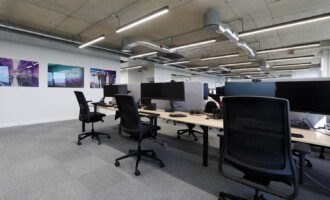
With staff splitting their time between locations, the office is no longer a 9–5 destination. Instead, it is being since as more of a collaboration hub, an opportunity for employees to work as teams and to socially connect. To get the most from office days, spaces should be designed to encourage both interaction and focus. Creating zones such as meeting pods, hot-desking areas, and breakout spaces gives hybrid teams the flexibility to choose how they work best.
Supporting Employees in Hybrid Work
Hybrid working doesn’t always mean working from home. Some employees prefer co-working spaces or shared offices if they lack a dedicated space at home. The Health and Safety Executive (HSE) regulations around Display Screen Equipment (DSE) apply equally to office-based, remote, and hybrid teams.
This means all employees should have a DSE assessment conducted for both their workstations if they are hybrid, and employers should provide recommended equipment if it is highlighted in the assessment. A proper workstation set up involves a suitable chair, desk, and peripherals such as monitor arms and a separate keyboard and mouse.
Workplace Flexibility is Key
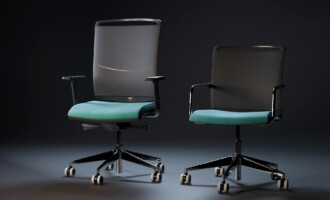
Employees come in all shapes and sizes, and no single solution works for everyone. Adjustable chairs, sit-stand desks and portable ergonomic accessories allow employees to adapt their setup to wherever they’re working. Flexible furniture also makes the office itself more adaptable, ensuring there are enough desks and suitable workstations for fluctuating attendance.
Communication and Culture Still Matter
Just because employees may not work in the same space does not mean they cannot connect. Offering meeting pods means it is easier for teams to meet hybrid through joining meetings through webcams and screenshare functions. You should have regular check-ins with employees to ensure they feel supported in their working patterns.
Managing Health, Safety and Wellbeing
As we previously touched on, employers have a legal duty to ensure that their employees are working safely when it comes to Display Screen Equipment, whether they work in the office, remotely, or hybrid. It’s essential that employees have training on how to set up their workstations correctly. Additionally, they must have a DSE assessment conducted at each workstation. Better workstation set-ups contribute to better productivity through reduced stress and absenteeism related to musculoskeletal conditions.
Budget-Friendly Ways to Support Hybrid Teams
You don’t need a full office refurbishment to support your hybrid team. A good starting point is ensuring every employee has a DSE assessment completed at their workstations. Our DSE checklists are a simple way to help your employees complete their assessments, or if you are managing a larger team, ErgoPro might be the solution for you. ErgoPro is an online system that streamlines ergonomic assessments and training. If any employees are flagged as having discomfort at their workstation or are experiencing health problems, we recommend a face-to-face or virtual DSE assessment with a qualified assessor to ensure that they have the DSE equipment they may require.
Supporting hybrid teams is not a cost; it is an investment in your team’s productivity and well-being. When employees feel that their well-being is taken seriously, it fosters trust, creates a more productive and engaged workforce, and reduces absenteeism.
Conclusion
Hybrid working is no longer a temporary solution. It is how many organisations now operate, and it will only continue to grow. Employers who invest in supporting hybrid teams with the right furniture, assessments, and flexible office design create workplaces where people feel valued and perform at their best. From reducing sickness absence to boosting productivity and retention, the benefits are clear.
At Posture People, we specialise in helping employers adapt their workspaces for hybrid teams. Whether you need ergonomic chairs and desks, DSE assessments, or guidance on creating collaborative office spaces, we are here to support you every step of the way.
Get in contact with us today by calling 0330 332 0880 or email enquiries@posturepeople.co.uk.